As Andhra Pradesh prepares for the upcoming Local Body Elections, the issue of seat-sharing among the NDA alliance partners has become a major political discussion. Reports suggesting that the Telugu Desam Party (TDP) may contest 80% of the seats, Jana Sena Party 15%, and the Bharatiya Janata Party (BJP) 5% have triggered intense debate, particularly within the Jana Sena cadre
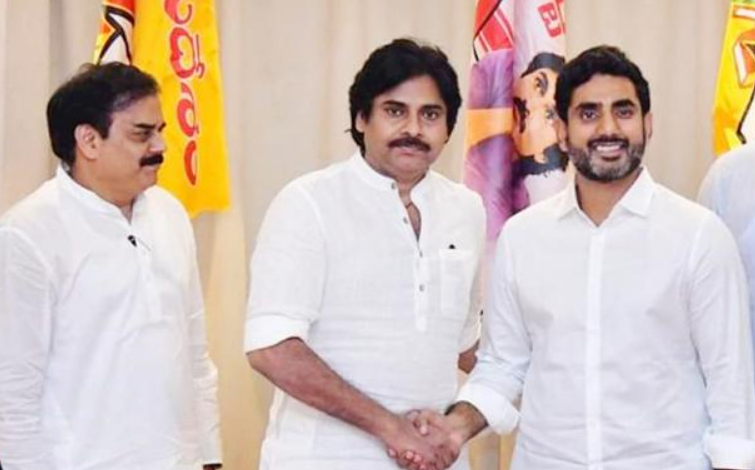
Statements made by TDP National General Secretary Nara Lokesh regarding the proposed 80:15:5 formula have further fueled political speculation. The reported allocation has led to dissatisfaction among several Jana Sena supporters, who believe the party deserves a larger share.
Political Strategy Behind the 80:15:5 Formula?
According to political observers, the initial announcement of 15% seats for Jana Sena could be part of a broader negotiation strategy. Analysts suggest that the alliance leadership may have deliberately floated a lower figure first, with the possibility of increasing the share later to pacify the party’s cadre.
This speculation has become one of the key talking points in Andhra Pradesh’s political circles as alliance discussions continue.
Nadendla Manohar’s Remarks Draw Attention
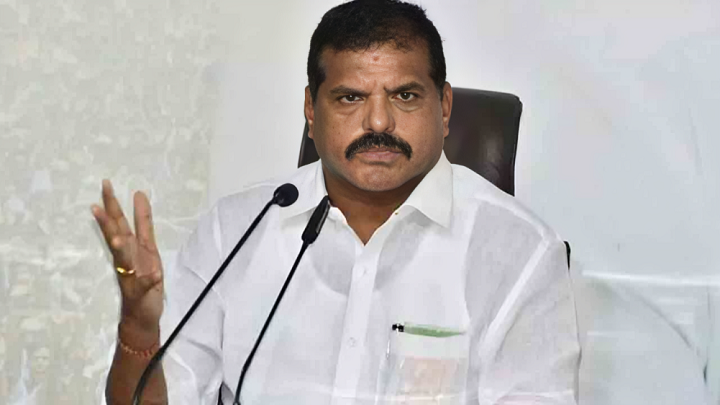
Jana Sena senior leader Nadendla Manohar also attracted attention with his comments on seat-sharing.
Initially, he stated that the number of seats was less important than contesting in constituencies where the party has a realistic chance of winning. However, after receiving criticism from party workers, he clarified that media reports claiming Jana Sena would receive only 15% of the seats were inaccurate.
He emphasized that seat allocation would ultimately depend on local political conditions and winnability, rather than any fixed percentage.
Despite this clarification, critics argue that the statement was primarily aimed at calming disappointed party workers.
Jana Sena Cadre Reportedly Expect at Least 30% Seats
Political discussions indicate that many Jana Sena leaders and grassroots workers are hoping the party secures at least 30% of the seats in the local body elections.
There are concerns within sections of the party that if Jana Sena is ultimately limited to 15% or even 20%, it could continue to remain the junior partner in the alliance instead of emerging as an independent political force in Andhra Pradesh.
Some political critics also argue that the party leadership has not shown sufficient intent to build Jana Sena into a fully independent political organization, although this remains a matter of political opinion.
Seat-Sharing Could Shape the Future of Alliance Politics
The ongoing seat-sharing negotiations are no longer viewed as merely a mathematical exercise. Instead, they are being seen as a crucial factor that could influence the future dynamics of the NDA alliance in Andhra Pradesh.
The final allocation of seats is expected to determine not only the electoral strategy of the alliance but also the morale of Jana Sena’s cadre ahead of the local body elections.
Final Word
As speculation continues, the biggest questions remain unanswered:
- Will Jana Sena receive a larger share than the widely discussed 15%?
- Will the party cadre’s expectations of around 30% be met?
- Or will alliance leaders rely on political negotiations and a “number game” to manage internal dissatisfaction?
The answers are likely to become clear only after the official announcement of the seat-sharing arrangement for the upcoming Andhra Pradesh local body elections.