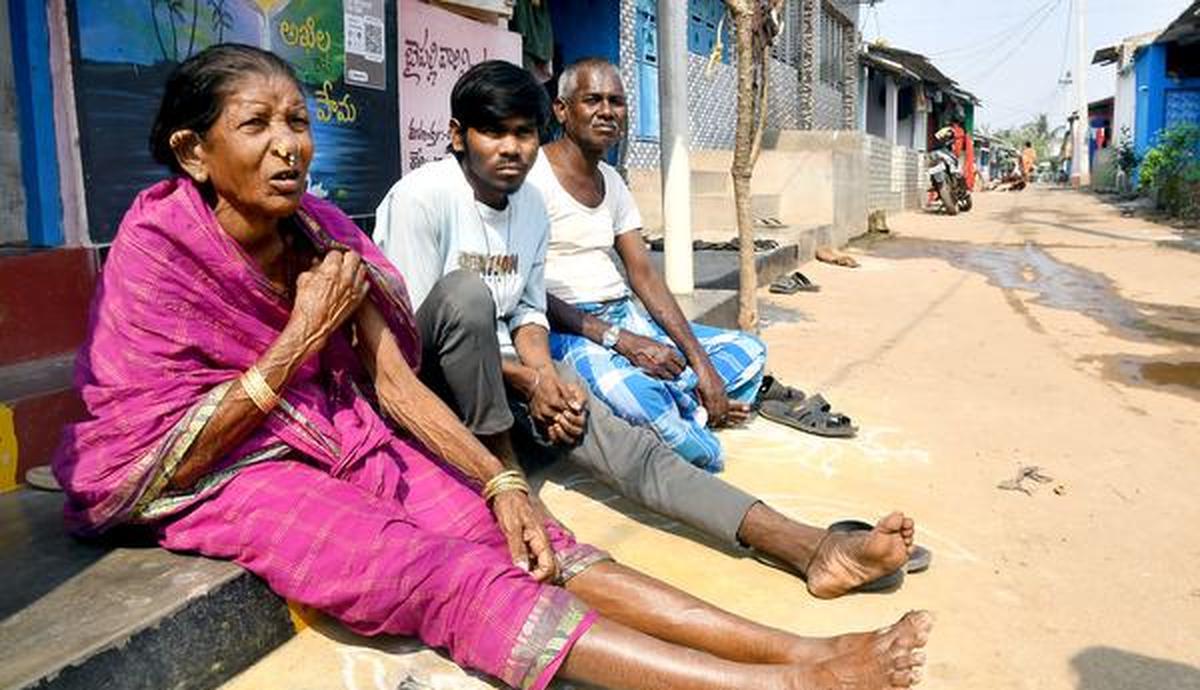
Once known for its lush greenery and scenic beauty, the Uddanam region in Andhra Pradesh’s Srikakulam district has been battling a mysterious kidney disease for more than four decades. Thousands of families across Ichchapuram, Kaviti, Kanchili, Sompeta, Mandasa, Vajrapukotturu, and Palasa mandals have been severely affected, with many households losing multiple family members to the illness.
The tragedy has transformed what was once considered a prosperous agricultural region into one of India’s most serious public health concerns.
Unsafe Drinking Water Suspected as the Main Cause
According to expert studies, the widespread use of contaminated groundwater and the lack of access to safe drinking water are believed to be the primary reasons behind the disease. Since 2004, during the tenure of late Chief Minister Dr. Y.S. Rajasekhara Reddy, several national and international institutions including Harvard Medical School, the Centre for Cellular and Molecular Biology (CCMB), NIMS, and the World Health Organization (WHO) have conducted extensive research.
Despite years of investigation, the exact cause of the disease remains unidentified. In 2013, the WHO officially termed the illness “Uddanam Nephropathy,” bringing global attention to the region’s health crisis.
Residents Say Previous Governments Failed to Address the Crisis
Local residents allege that earlier governments largely treated the issue as a political talking point rather than implementing lasting solutions. For years, patients were forced to travel to Visakhapatnam for dialysis treatment, placing enormous financial and emotional burdens on affected families.
Victims also claim that only a limited number of eligible patients received pensions, leaving many struggling without adequate financial support.
Measures Taken During Y.S. Jagan Mohan Reddy’s Government
Residents acknowledge that the issue received greater attention after Y.S. Jagan Mohan Reddy assumed office as Chief Minister.
Under the ₹700-crore YSR Sujaladhara Project, the government initiated efforts to provide safe drinking water to 807 villages in the Uddanam region.
In addition, the Dr. YSR Kidney Research Centre was established in Palasa at a cost of ₹85 crore, offering dialysis facilities and advanced medical services closer to patients.
The government also increased the monthly pension for dialysis patients from ₹2,500 to ₹10,000, providing financial assistance to thousands of beneficiaries.
Fresh Concerns Under the Present Coalition Government
According to affected families, the situation has once again become a matter of concern under the current coalition government.
Residents allege that regular kidney screening camps conducted during the previous administration have been discontinued. They also claim that the supply of medicines in villages has significantly declined.
Victims say that while 37 types of medicines were previously supplied, only two or three medicines are currently available. They further allege that new patients with high creatinine levels are not being sanctioned pensions and are forced to travel long distances for medical tests, increasing their financial burden.
Demand for a Permanent Solution
Affected families insist that the initiatives launched earlier to combat the Uddanam kidney disease must continue without interruption. They have urged the government to immediately strengthen screening programmes, ensure uninterrupted medicine supply, and approve pensions for eligible patients.
After more than four decades of suffering, the people of Uddanam continue to hope for a permanent solution to the mysterious kidney disease that has devastated thousands of lives.