
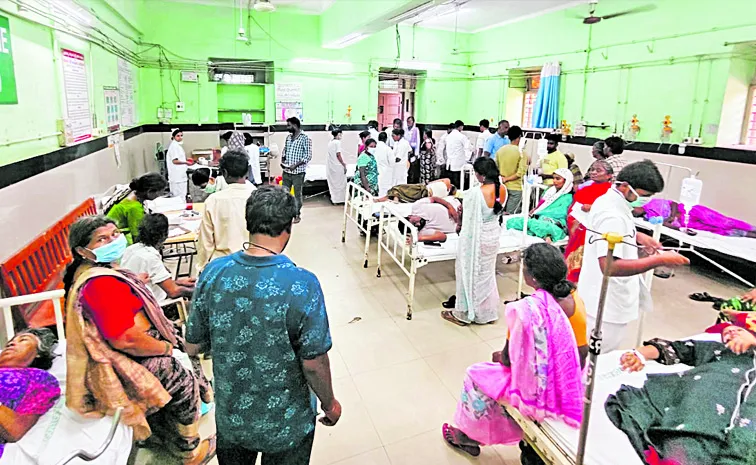
Government hospitals are facing renewed questions over the quality of healthcare services provided to patients. While the government promotes free medical treatment, reports suggest that patients continue to face difficulties, including alleged demands for bribes and poor sanitation in hospitals.
According to a news report, an Interactive Voice Response System (IVRS) survey has highlighted dissatisfaction with government healthcare services. The reported findings have brought attention to concerns about hospital management, cleanliness, transparency, and the quality of treatment available to ordinary citizens.
Free Medical Treatment: Are Patients Getting Quality Healthcare?
Government hospitals are a major source of medical care for poor and middle-class families. Many people depend on public healthcare facilities because they cannot afford expensive treatment in private hospitals.
However, providing free treatment alone is not enough. Patients also need timely medical attention, essential medicines, diagnostic tests, clean hospital wards, and respectful treatment from healthcare staff.
When these basic services are not available, patients and their families face additional difficulties. The government must therefore ensure that free healthcare schemes translate into reliable and quality medical services at the hospital level.
Alleged Bribery in Government Hospitals Raises Concerns
Allegations of patients being pressured to pay bribes for medical services have raised concerns about transparency in government hospitals.
Patients often visit hospitals while dealing with illness, financial difficulties, and emotional stress. Any demand for illegal payments can increase their burden and undermine public trust in the healthcare system.
Authorities should investigate such complaints and take appropriate action if the allegations are proven. Clear complaint mechanisms, regular inspections, and strict monitoring can help prevent corruption and ensure that patients receive services without unnecessary financial pressure.
Poor Sanitation in Government Hospitals Poses Health Risks
Cleanliness is essential for maintaining patient safety in hospitals. Poorly maintained wards, unclean toilets, dirty beds, and inadequate sanitation facilities can increase the risk of infections and other health complications.
Hospital authorities must regularly monitor sanitation standards and ensure that cleaning staff perform their duties properly. Safe drinking water, clean patient wards, hygienic toilets, and properly maintained medical facilities should be basic requirements in every government hospital.
The concerns reportedly highlighted by the IVRS survey should be examined carefully. Instead of treating patient dissatisfaction as just a statistical finding, officials should identify the underlying problems and take corrective measures.
Questions Raised Over Healthcare Services in Key Districts
The news report also raises questions about government hospital services in districts represented by the Chief Minister and the Health Minister.
Such concerns underline the need for stronger monitoring and accountability across the public healthcare system. Senior officials should regularly review hospital performance, identify staff shortages, ensure the availability of medicines, and address infrastructure and sanitation problems.
Effective healthcare administration requires more than announcements and policy commitments. Improvements must be visible in the everyday experiences of patients visiting government hospitals.
Better Hospital Management and Patient Care Are Essential
Improving public healthcare requires a comprehensive approach. The government and hospital authorities should focus on:
- Ensuring the availability of essential medicines and diagnostic tests.
- Providing timely treatment and improving patient services.
- Investigating complaints of bribery and misconduct.
- Maintaining clean wards, toilets, and hospital premises.
- Strengthening grievance redressal systems for patients.
- Conducting regular hospital inspections and quality assessments.
- Taking action against officials or staff found responsible for proven violations.
These measures can help improve patient confidence and make government hospitals more accessible and reliable.
Conclusion: People Need Quality Healthcare, Not Just Promises
Free medical treatment is meaningful only when patients receive safe, timely, and dependable healthcare. Allegations of bribery, sanitation problems, and dissatisfaction with hospital services deserve serious attention.
The government should examine the concerns reportedly identified by the IVRS survey, verify the complaints, and implement corrective measures wherever necessary.
For economically weaker families, government hospitals remain an essential source of medical support. Strengthening these institutions through better management, transparency, cleanliness, and accountability is crucial to ensuring that every patient receives dignified and quality healthcare.



Perni Nani Slams Chandrababu Government: Why Should People Vote for It Again?