The issue of belt shops and illegal liquor sales has once again come under the spotlight in Andhra Pradesh. Despite repeated promises from the government to eliminate belt shops and protect rural families from the harmful effects of alcohol, women across the state say the reality on the ground remains unchanged.
The recent incident in Pulligadda Pallepalem village of Krishna district has become a powerful symbol of this growing frustration.
Pulligadda Women Break Their Silence
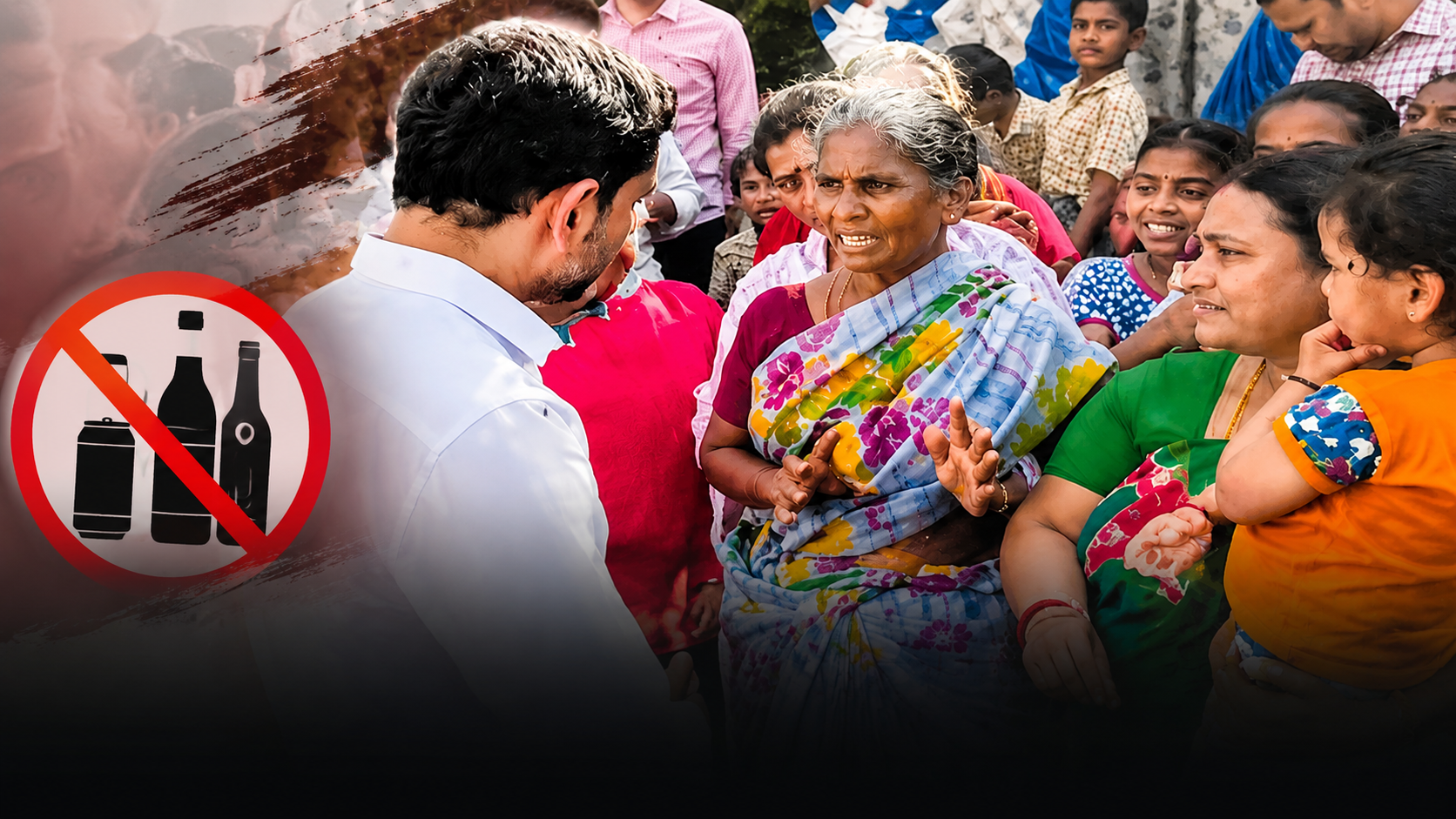
During Minister Nara Lokesh’s visit to the village, a group of women led by local residents stopped him and emotionally explained the hardships they face because of belt shops operating openly in their area.
The women said liquor is being sold freely in the village, pushing many men into alcoholism and creating serious problems for families. They described how household incomes are being wasted on alcohol, family disputes are increasing, and women and children are suffering the most.
Their message was simple and heartfelt: shut down the belt shops and save our families.
A Painful Reality Behind Every Village Complaint
For the women of Pulligadda Pallepalem, this is not merely a political issue. It is a daily struggle that affects their homes, finances, and peace of mind.
They explained that many men return home intoxicated, leading to arguments, financial distress, and emotional trauma within families. The burden of these problems often falls on women, who are forced to manage households while dealing with the consequences of alcohol addiction.
According to villagers, the unchecked growth of belt shops is destroying the social fabric of rural communities.
Promises Made, But Where Is the Action?
One of the key promises repeatedly heard from the ruling alliance was the commitment to curb illegal liquor sales and eliminate belt shops.
However, women and local residents argue that the promise remains largely on paper. They point out that despite numerous complaints from villages across Andhra Pradesh, illegal liquor outlets continue to operate openly.
The incident in Pulligadda has reignited questions about whether the government is doing enough to fulfill its commitment or whether rural families have been left to fight this battle alone.
“Okay Mother”… A Response That Left Women Disappointed
The most talked-about aspect of the incident was the minister’s response.
After listening to the emotional appeals of the women, Nara Lokesh reportedly responded with a brief “Okay mother” before proceeding with his scheduled program.
According to villagers, there was no immediate assurance, no public commitment to shut down the belt shops, and no visible instructions issued to officials to take action.
For many women who gathered with hopes of finding a solution, the response felt inadequate and disappointing.
Pulligadda Is Just One Example, The Problem Is Statewide
Residents and social observers argue that Pulligadda Pallepalem is not an isolated case. Similar complaints are being raised from several villages across Andhra Pradesh where women continue to voice concerns about the availability of illegal liquor.
Many believe that what happened in Krishna district merely exposed a larger issue affecting rural communities throughout the state.
Women are increasingly questioning why they must personally confront ministers and public representatives to draw attention to problems that they say are already well known to the administration.
Women’s Voices Demand More Than Assurances
The women of Andhra Pradesh are not asking for speeches or promises. They are asking for action.
They want belt shops shut down, illegal liquor sales stopped, and stronger enforcement measures to protect families from the damage caused by alcoholism.
The emotional scenes witnessed in Pulligadda Pallepalem have once again highlighted the gap between political promises and ground-level reality.
Will the Government Finally Listen?
The incident has sparked a broader debate about the government’s commitment to tackling illegal liquor sales in rural Andhra Pradesh.
As videos of the women’s appeal continue to circulate, many are asking whether their concerns will finally result in concrete action or whether the issue will be forgotten once public attention shifts elsewhere.
For the women of Pulligadda and countless others across the state, the answer matters deeply. They have spoken. They have pleaded. Now they are waiting to see whether the government will act—or whether the promise of a belt-shop-free Andhra Pradesh will remain just another unfulfilled commitment.