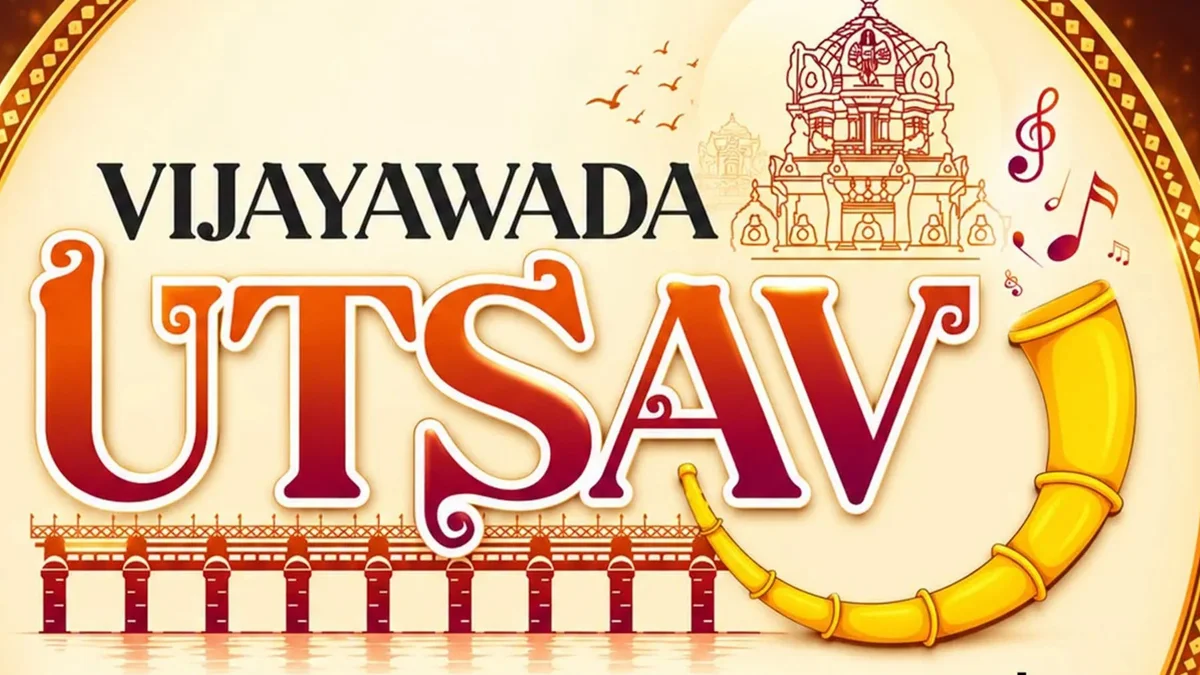
The ongoing Dussehra Sharannavaratri celebrations in Vijayawada have sparked controversy over the government’s organisation of the Vijayawada Utsav. While thousands of devotees are visiting the Sri Kanaka Durga Temple on Indrakeeladri, concerns have been raised over inadequate facilities for pilgrims and alleged pressure on local businesses to contribute funds for the festival.
Critics have questioned the government’s priorities, alleging that publicity and entertainment are receiving more attention than basic arrangements for devotees. Allegations of fund collection and a lack of transparency in festival expenditure have also triggered political criticism.
Devotees Face Difficulties During Dussehra Celebrations
During the Navaratri festival, large numbers of devotees travel from different parts of Andhra Pradesh to seek the blessings of Goddess Kanaka Durga. However, reports of long waiting hours and difficulties in the queue lines have raised concerns about the arrangements.
Devotees have reportedly faced problems related to drinking water, queue management and medical facilities. Critics argue that authorities should have prioritised essential services and crowd management to ensure a safe and comfortable pilgrimage experience.
At the same time, the government’s focus on Vijayawada Utsav and the SARAS event has drawn criticism, with opponents questioning whether sufficient attention is being given to the needs of ordinary devotees.
Allegations of Fund Collection From Business Owners
The organisation of Vijayawada Utsav has also come under scrutiny over allegations of financial pressure on local businesses.
According to allegations raised in the political debate, around 200 business associations, hotel operators and industrialists in Vijayawada have faced pressure to contribute up to Rs. 25,000 each towards festival-related arrangements, including lighting and decorations. The allegations have also drawn attention to the alleged involvement of local political leaders, including MP Kesineni Chinni.
These claims have not been independently established. However, they have raised questions about how festival funds are collected and whether contributions from businesses are voluntary.
Questions Over Stall Rentals and Financial Transparency
The allocation of stalls at government venues, including Punnami Ghat, Makineni Basava Punnaiah Stadium and Tummalapalli Kalakshetram, has become another point of controversy.
Opposition leaders have questioned the rental charges collected from stall operators and demanded greater transparency in the collection and spending of festival funds.
They have also raised concerns about the disclosure of accounts from the previous year’s celebrations. Critics argue that the government should publish clear details of donations, sponsorships, rental income and expenditure to ensure public accountability.
Vijayawada Utsav Faces Criticism Over Cultural Representation
Apart from financial concerns, questions have been raised about the cultural focus of Vijayawada Utsav.
Some residents believe the celebrations should highlight Vijayawada’s history, its transformation from a municipality into a municipal corporation, and the contributions of prominent personalities who helped shape the city.
They have called for greater participation by local artists and cultural groups. Critics argue that traditional art forms, regional heritage and the city’s historical identity should receive more attention alongside dance performances and entertainment programmes.
Opposition Questions Government Priorities
The Vijayawada Utsav controversy has also become part of the wider political debate over governance in Andhra Pradesh.
Opposition voices allege that large-scale publicity events are diverting attention from public concerns such as rising essential commodity prices, fertiliser shortages and delays in welfare benefits.
They argue that festival celebrations should not come at the cost of public services and accountability. The government, meanwhile, faces questions over how it balances cultural events, tourism promotion and the immediate needs of citizens.
Conclusion
The Vijayawada Utsav controversy has highlighted concerns over Dussehra festival arrangements, alleged pressure on business owners, financial transparency and the representation of local culture.
While public celebrations can promote tourism and support local businesses, critics say their success should also be measured by the quality of facilities provided to devotees and the transparency of public spending.
Clear financial disclosures, better queue management, adequate drinking water and medical facilities, and greater participation by local artists could help address these concerns and improve the overall experience for devotees and residents.