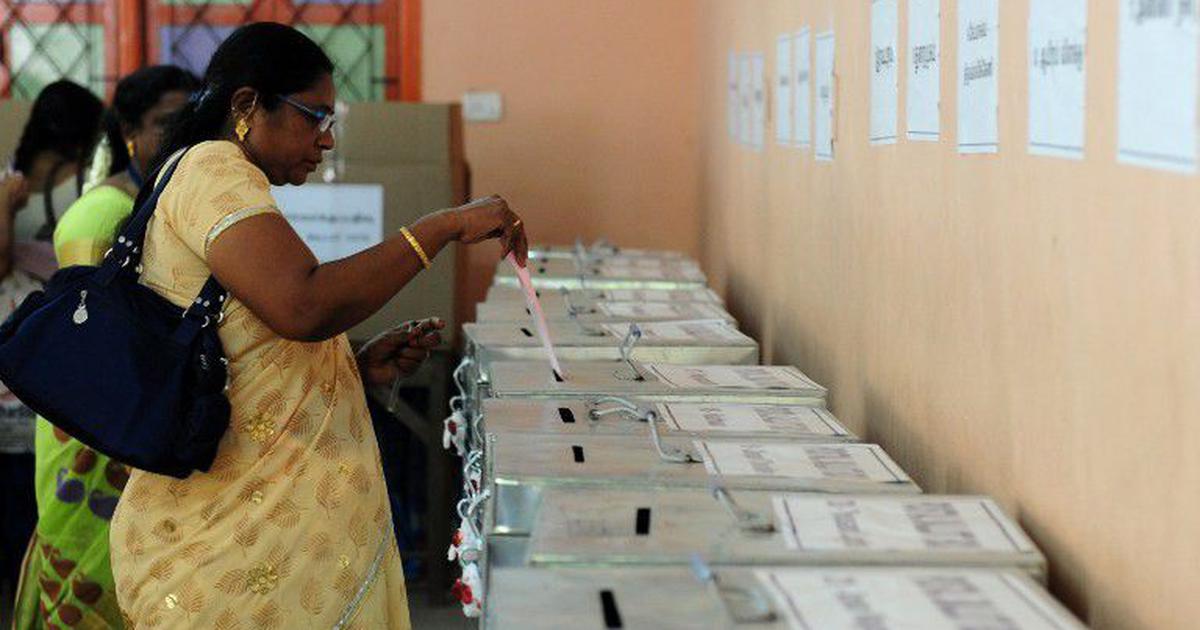
The postal ballot voting trends in the ongoing local body elections in Andhra Pradesh have become a major topic of political discussion. The voting pattern of government employees appears to be a challenge for the ruling coalition government led by Chief Minister N. Chandrababu Naidu. In several corporations and municipalities, coalition candidates have failed to secure overwhelming support, while YSRCP candidates have also received a considerable share of postal ballot votes despite being in the opposition.
Reports suggest that postal ballot voting in Pulivendula, Nellimarla, Pedana, Pithapuram, Uyyuru, Palasa, Visakhapatnam and Vizianagaram has not been as favourable to the coalition as expected. In some areas, YSRCP candidates have received nearly as much support as the candidates representing the three-party alliance. This has triggered discussions about possible dissatisfaction among government employees with the Chandrababu-led government.
Unfulfilled Promises to Government Employees
Before the 2024 general elections, the coalition parties made several promises to government employees. However, the government has faced criticism for not implementing many of these assurances fully after coming to power.
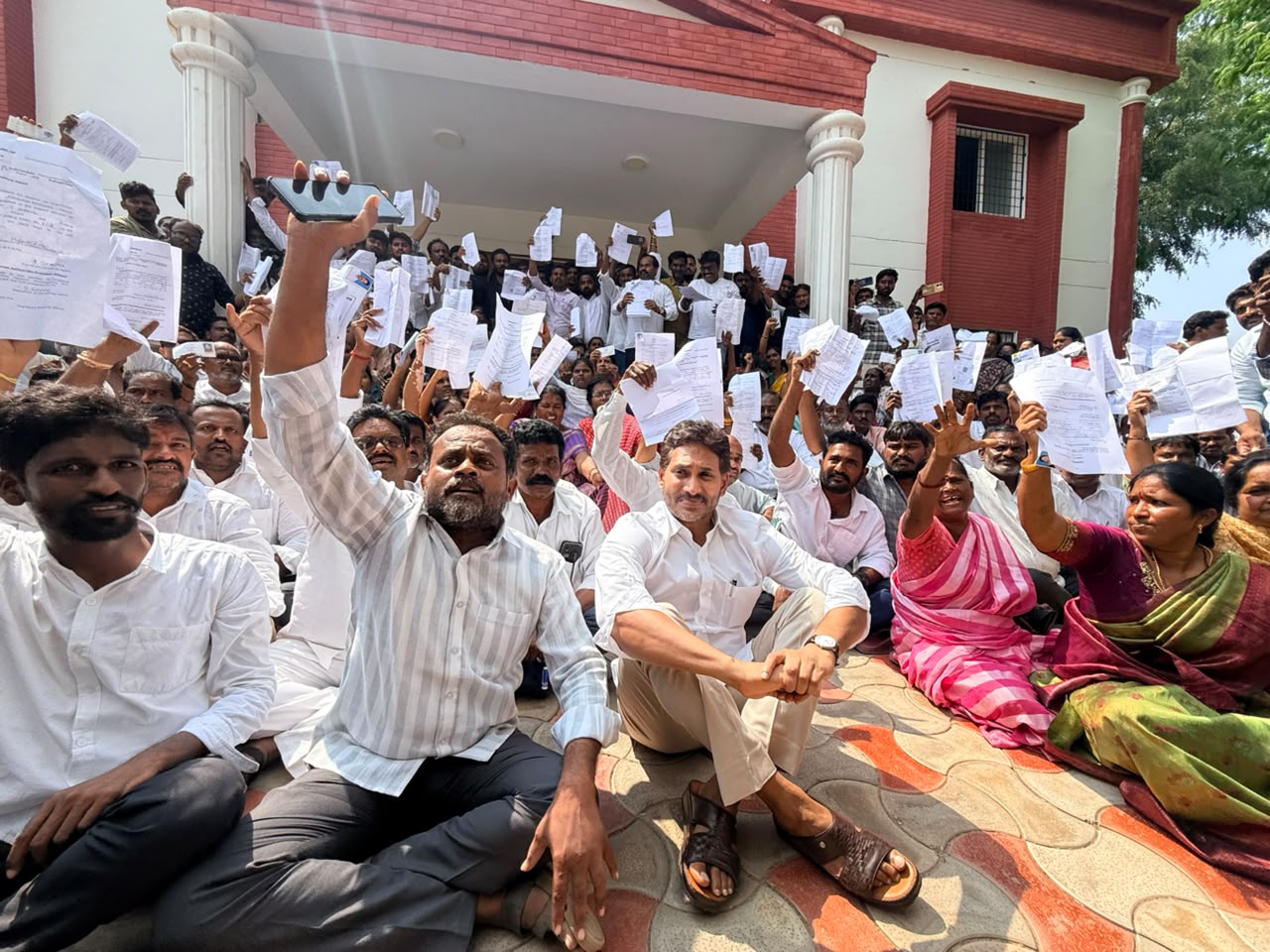
Delays in fulfilling promises, unresolved pending demands and the government’s approach towards employee issues have reportedly caused dissatisfaction among various employee unions. On several occasions, representatives of government employees have openly expressed their concerns over the government’s handling of their problems.
Protests organised by Secretariat employees in Vijayawada also attracted statewide attention. Employee union representatives criticised the government for failing to address their demands and alleged that employees were facing difficulties over several pending issues.
Against this backdrop, the postal ballot voting pattern in the local body elections has gained political significance. The key question is whether dissatisfaction among government employees is being reflected in their voting preferences.
YSRCP Highlights Employee Welfare Measures
Meanwhile, the YSRCP is highlighting the employee welfare measures introduced during its previous government and comparing them with the current situation.
The party points out that salaries and wages were increased for several sections, including Anganwadi workers, helpers, municipal sanitation workers, home guards, 108 and 104 ambulance drivers, and ASHA workers. According to the YSRCP, these measures benefited more than three lakh employees and workers.
The party also highlights the merger of the Andhra Pradesh State Road Transport Corporation (APSRTC) with the state government. It claims that the decision benefited approximately 52,000 employees despite an annual financial burden of around Rs. 3,600 crore.
The regularisation of around 10,000 contract employees was another major measure cited by the YSRCP. The party also points to the establishment of the Andhra Pradesh Corporation for Outsourced Services (APCOS), which was intended to ensure timely salaries and benefits such as Provident Fund (PF) and Employees’ State Insurance (ESI), while reducing the role of middlemen and commission agents.
Pensioners and Police Personnel Also Featured in Welfare Measures
The YSRCP further highlights several initiatives introduced for pensioners and other government personnel.
These include setting up special cells in every district to address pensioners’ grievances, establishing dedicated departments at collectorates to resolve the issues of serving and retired military personnel, and introducing weekly holidays for police personnel.
The party also recalls the announcement of 27 per cent Interim Relief (IR) for government employees, along with other welfare measures introduced during its tenure.
Will Employee Dissatisfaction Affect Future Elections?
Political observers are now discussing whether government employees are comparing the benefits they received during the previous YSRCP government with the problems they are reportedly facing under the present coalition administration.
The support received by YSRCP candidates in postal ballot voting has added to this debate. Some political observers believe that employee dissatisfaction could be one of the factors influencing the voting pattern. However, postal ballot trends alone may not be sufficient to establish the overall political mood of government employees.
The absence of overwhelming postal ballot support for coalition candidates has nevertheless become politically significant. The government may face greater political challenges if it fails to address employee demands and resolve pending issues.
The postal ballot results in the ongoing Andhra Pradesh local body elections could also offer political signals ahead of the 2029 Assembly elections. Whether the concerns of government employees will translate into a larger electoral challenge for the ruling coalition remains to be seen.