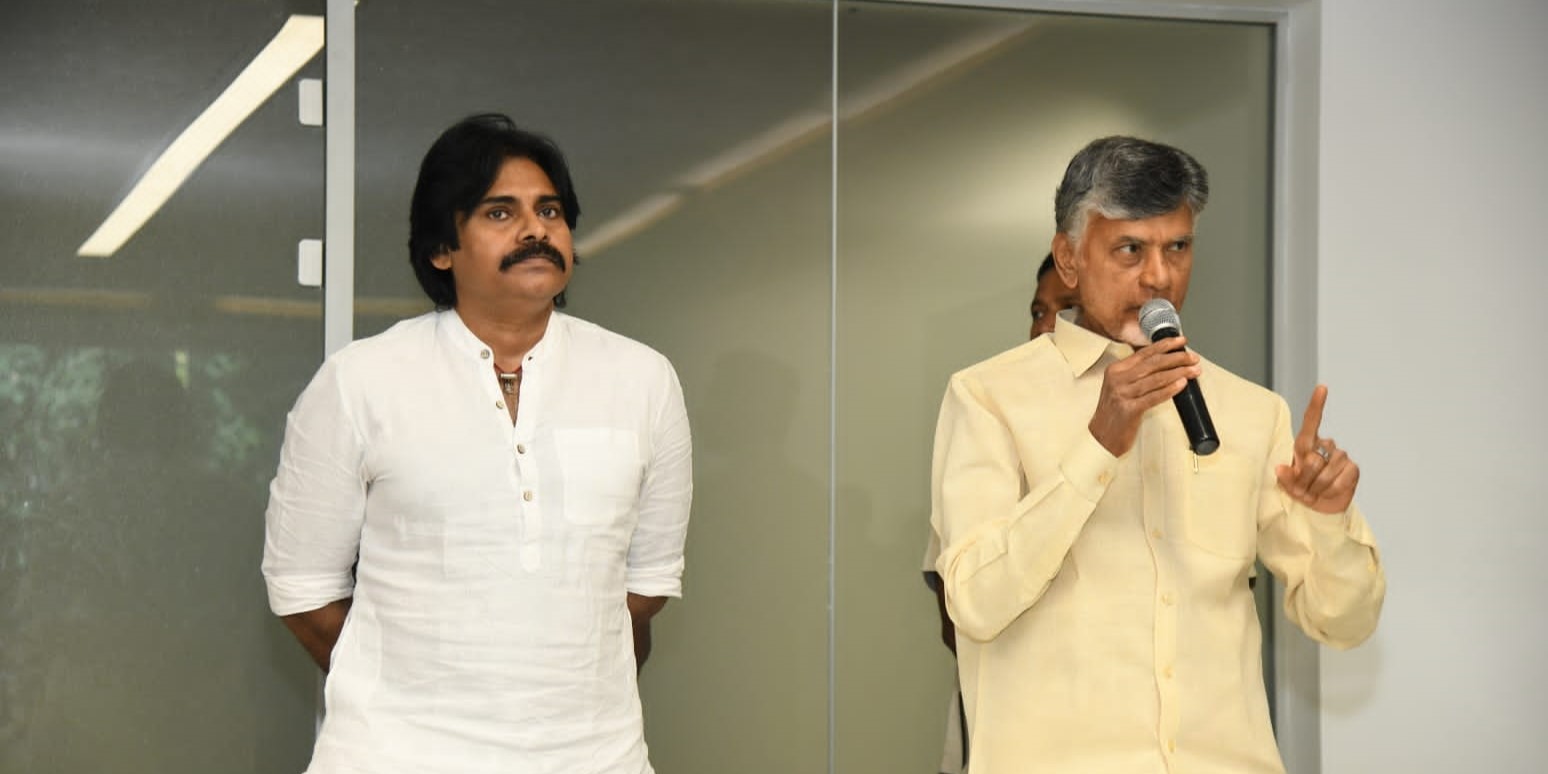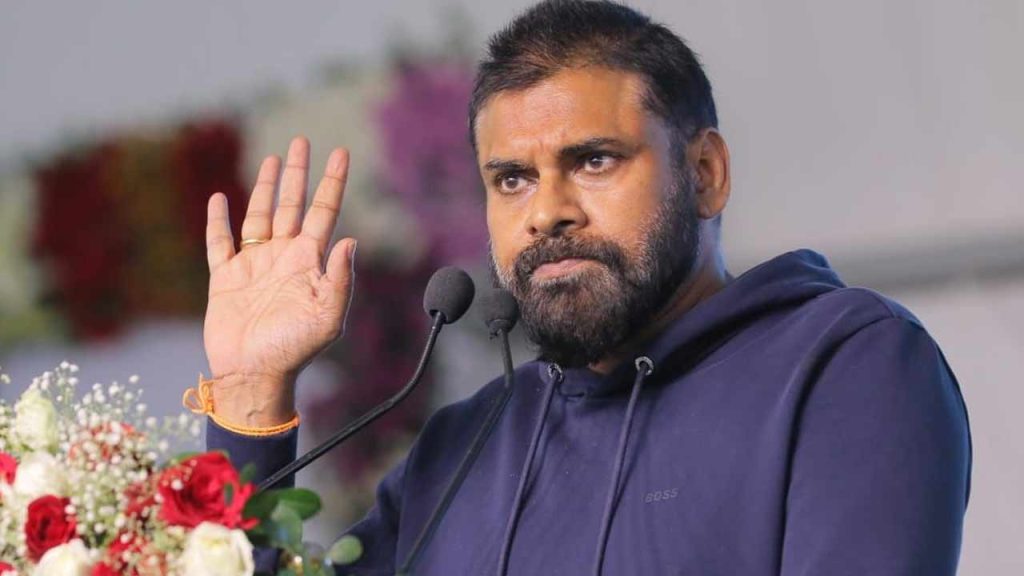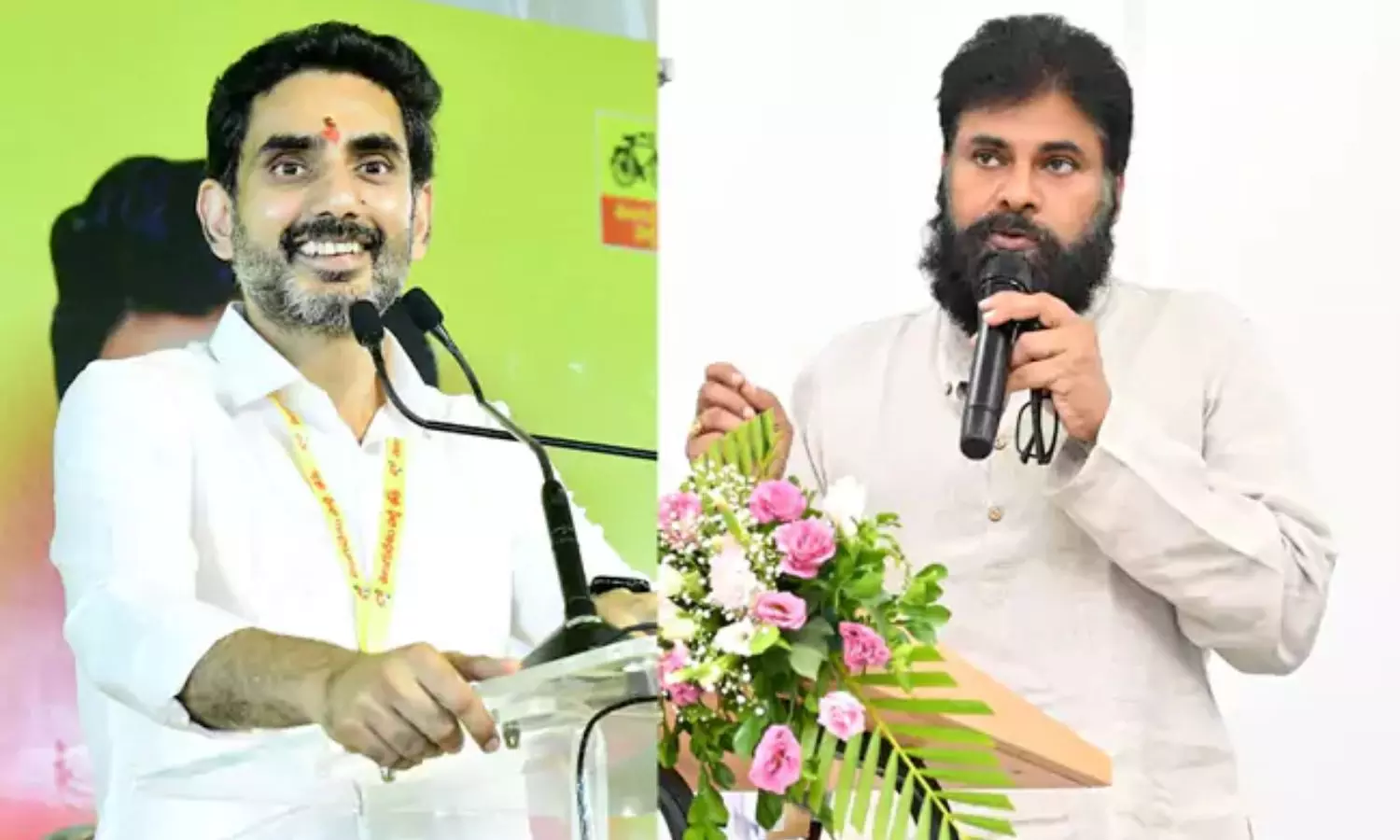
The seat-sharing arrangement within Andhra Pradesh’s ruling alliance has triggered fresh political debate ahead of the local body elections. Janasena Party cadres are reportedly unhappy with the allocation of seats, arguing that the party has received far less than the 30% to 33% share they expected from party chief Pawan Kalyan’s earlier assurances.
According to the figures cited in the seat-sharing debate, the Telugu Desam Party (TDP), led by Chief Minister N. Chandrababu Naidu, has secured the lion’s share of local body seats, while Janasena has been allocated a much smaller share. The arrangement has raised questions about Pawan Kalyan’s bargaining power within the alliance and Janasena’s prospects for independent political growth.
Janasena’s 33% Seat-Sharing Promise Raises Questions
Before the 2024 Andhra Pradesh Assembly elections, Pawan Kalyan reportedly assured party workers that Janasena would receive a significant share of local body seats if the alliance came to power. Many cadres expected the party to secure at least 30% to 33% of the seats in local elections.
However, the current seat-sharing arrangement appears to be closer to the 80:15:5 formula previously associated with TDP leader Nara Lokesh. Under this formula, TDP would receive 80% of the seats, Janasena 15%, and the Bharatiya Janata Party (BJP) 5%.
The reported allocation has disappointed sections of the Janasena cadre, who believe the party’s contribution to the alliance’s electoral victory should translate into a larger share of local representation.
Municipal Corporation Seat Sharing in Andhra Pradesh
According to the figures cited in the political debate, the allocation across 17 municipal corporations is as follows:
- TDP: 11 municipal corporations
- Janasena: 4 municipal corporations
- BJP: 1 municipal corporation
The figures listed above account for 16 corporations, leaving one corporation unaccounted for in the reported breakdown. Janasena’s four allotted corporations are Vijayawada, Kakinada, Machilipatnam and Eluru.
The allocation gives Janasena a limited presence in urban local body politics compared with TDP. However, election-related legal disputes, ward delimitation issues and other procedural factors have reportedly affected the electoral schedule in some municipal areas.
As a result, Janasena’s opportunities to contest in certain corporations and municipalities may be narrower than the initial seat allocation suggests.
TDP Gets 89 Seats, Janasena 25 in 123 Urban Local Bodies
The broader seat-sharing figures cited for 123 urban local bodies, including municipal corporations, municipalities and nagar panchayats, are:
- TDP: 89 local bodies
- Janasena: 25 local bodies
- BJP: 9 local bodies
These figures indicate that TDP has retained the largest share of the urban local body electoral space, while Janasena has received a comparatively smaller allocation.
The arrangement has triggered debate among Janasena supporters over whether the party can strengthen its independent political base while remaining a junior partner in the ruling coalition.
Controversy Over Janasena’s Demand for a 40.1% Share
The seat-sharing dispute intensified after a social media post attributed to Janasena leader and minister K. Durgesh reportedly sought a 40.1% share for the party in local body elections.
The post triggered criticism from sections of the TDP support base, with some describing the demand as political pressure within the alliance. As the controversy grew, statements reportedly distanced the party leadership from the social media posts.
The episode added to the uncertainty surrounding the final seat-sharing negotiations and highlighted differences over the distribution of local electoral opportunities between the alliance partners.
ZPTC and MPTC Seat Allocation: Janasena’s Share Around 16.5%
The figures cited for Zilla Parishad Territorial Constituency (ZPTC) and Mandal Parishad Territorial Constituency (MPTC) seats also suggest that Janasena’s share is considerably below the 30% to 33% expected by some party workers.
ZPTC Seat Allocation
According to the figures provided in the political account, Andhra Pradesh has 659 notified ZPTC seats.
- Unopposed victories attributed to Janasena: 2
- Seats in which Janasena is reportedly contesting: 109
- Total seats counted: 111
Based on these figures, Janasena’s share works out to approximately 16.84% of the total notified ZPTC seats.
MPTC Seat Allocation
The state has 9,829 notified MPTC seats, according to the figures cited.
- Unopposed victories attributed to Janasena: 101
- Seats in which Janasena is reportedly contesting: 1,521
- Total seats counted: 1,622
On this basis, Janasena’s share is approximately 16.50% of the notified MPTC seats.
Combining the ZPTC and MPTC figures, Janasena’s overall share comes to approximately 16.52%. These calculations are based on the figures cited in the political account and should be checked against official State Election Commission records.
The numbers have become central to criticism that the party has secured only a marginal increase over the 15% share associated with the reported seat-sharing formula.
Rebel Nominations and Pressure on Janasena Cadres
The seat-sharing dispute has reportedly led some Janasena leaders and workers to file rebel nominations in constituencies where they did not receive official party nominations.
Some cadres had hoped the alliance would permit friendly contests in areas where their party had not been allotted seats. However, Pawan Kalyan reportedly warned candidates who did not receive official B-forms, as well as rebel nominees, to withdraw from the contest or face disciplinary action.
The warning has added to the frustration among some grassroots workers, particularly those who believe they worked hard to strengthen the party before and after the 2024 elections.
Local-level disagreements between TDP and Janasena leaders have also reportedly complicated the implementation of the seat-sharing arrangement.
Did Janasena Compromise Its Independent Political Growth?
The main concern among dissatisfied Janasena supporters is whether the party can build an independent political identity while accepting a smaller share of seats in local elections.
Local bodies play an important role in developing grassroots leadership, expanding a party’s organisational network and preparing candidates for future Assembly and parliamentary elections. A limited allocation could therefore affect Janasena’s ability to strengthen its presence across Andhra Pradesh.
Critics argue that the party’s reported 16.5% share falls short of the expectations created by earlier assurances. They also question whether Janasena can emerge as a stronger political force if TDP continues to dominate seat-sharing decisions.
However, the long-term impact will depend on the party’s electoral performance, the strength of its local leadership and its ability to retain support among its grassroots cadre.
Pawan Kalyan’s Leadership Faces Questions
The controversy has placed Pawan Kalyan’s leadership and negotiating strategy under scrutiny from sections of his own party.
Some supporters believe the party should have secured a larger share of local body seats in recognition of its role in the alliance. Others are concerned that continued dependence on TDP could limit Janasena’s organisational expansion and independent political prospects.
The debate also reflects a broader challenge for coalition partners: balancing the immediate benefits of being in government with the long-term need to build their own political strength.
Conclusion
The Andhra Pradesh local body election seat-sharing dispute has exposed dissatisfaction within sections of the Janasena cadre. The reported figures suggest that the party’s share in ZPTC and MPTC seats is around 16.5%, significantly below the 30% to 33% share expected by some supporters.
Whether this arrangement becomes a temporary coalition compromise or a long-term challenge for Janasena will depend on its performance in local elections and its ability to strengthen its independent grassroots network.
For now, the seat-sharing controversy has raised a crucial political question: Can Janasena expand its own base while remaining a junior partner in Andhra Pradesh’s ruling alliance?