The Andhra Pradesh government’s GO No. 160, reportedly issued on October 26, 2026, has triggered a political controversy over drinking water charges in rural areas. The order, attributed to the Panchayat Raj and Rural Development Department under Deputy Chief Minister Pawan Kalyan, is facing scrutiny over proposed water metering, user charges and the recovery of maintenance costs from consumers.
The controversy has intensified amid local body election activity. Opposition voices and critics have raised concerns that the proposed measures could increase the financial burden on rural households. Allegations have also emerged that the government website displays the order’s details but provides an eight-page PDF with blank pages. Questions are being raised over whether the document’s unavailability is due to a technical issue or a deliberate attempt to limit public access. The government has yet to clarify these allegations.
Key Provisions of Andhra Pradesh GO 160
According to the details cited in the controversy, GO 160 proposes changes to the management and maintenance of rural drinking water supply systems. The reported provisions include installing water meters for all rural connections and collecting 90 per cent of the prescribed water user charges.
The proposed charges are reportedly intended to cover several operational expenses, including:
- Electricity bills for water supply systems.
- Repairs and maintenance of pumps.
- Salaries of valve operators.
- Water quality testing.
- Prevention of water leakage and related maintenance work.
The reported provisions also include a public contribution towards project capital costs. Villages in hilly and forest areas, as well as those with more than 50 per cent Scheduled Caste and Scheduled Tribe populations, would reportedly contribute 5 per cent of the project cost. Other villages would be required to contribute 10 per cent.
Schools, Anganwadi centres and working women’s hostels would also reportedly have to pay their respective water bills through the concerned institutions.
However, the precise implementation process, the applicable charges and the impact on economically weaker households require official clarification.
Will Rural Households Face Higher Drinking Water Bills?
The main concern surrounding GO 160 is whether rural families will have to pay more for drinking water. If the proposed metering and user-charge system is implemented, households could face additional expenses depending on the applicable rates and collection mechanism.
The recovery of electricity bills, pump repair costs and other maintenance expenses from consumers has also raised questions about the government’s approach to rural drinking water services.
The government needs to explain whether the proposed charges will apply uniformly across villages or whether exemptions and concessions will be provided to economically disadvantaged families.
Blank PDF of GO 160 Raises Transparency Questions
Another major issue is the reported availability of the government order on the official website. Critics claim that while the order number, issuing department and date are displayed, the downloaded eight-page PDF contains blank pages.
This has led to allegations that the government may be trying to prevent the public from examining the order during the local body election period. However, it has not been independently established whether the problem is deliberate or the result of a technical error.
The government should clarify the status of the document and publish a complete, readable copy of the order. If GO 160 has been amended, withdrawn or put on hold, the relevant official proceedings should also be made publicly accessible.
Pawan Kalyan Faces Questions Over Rural Water Policy
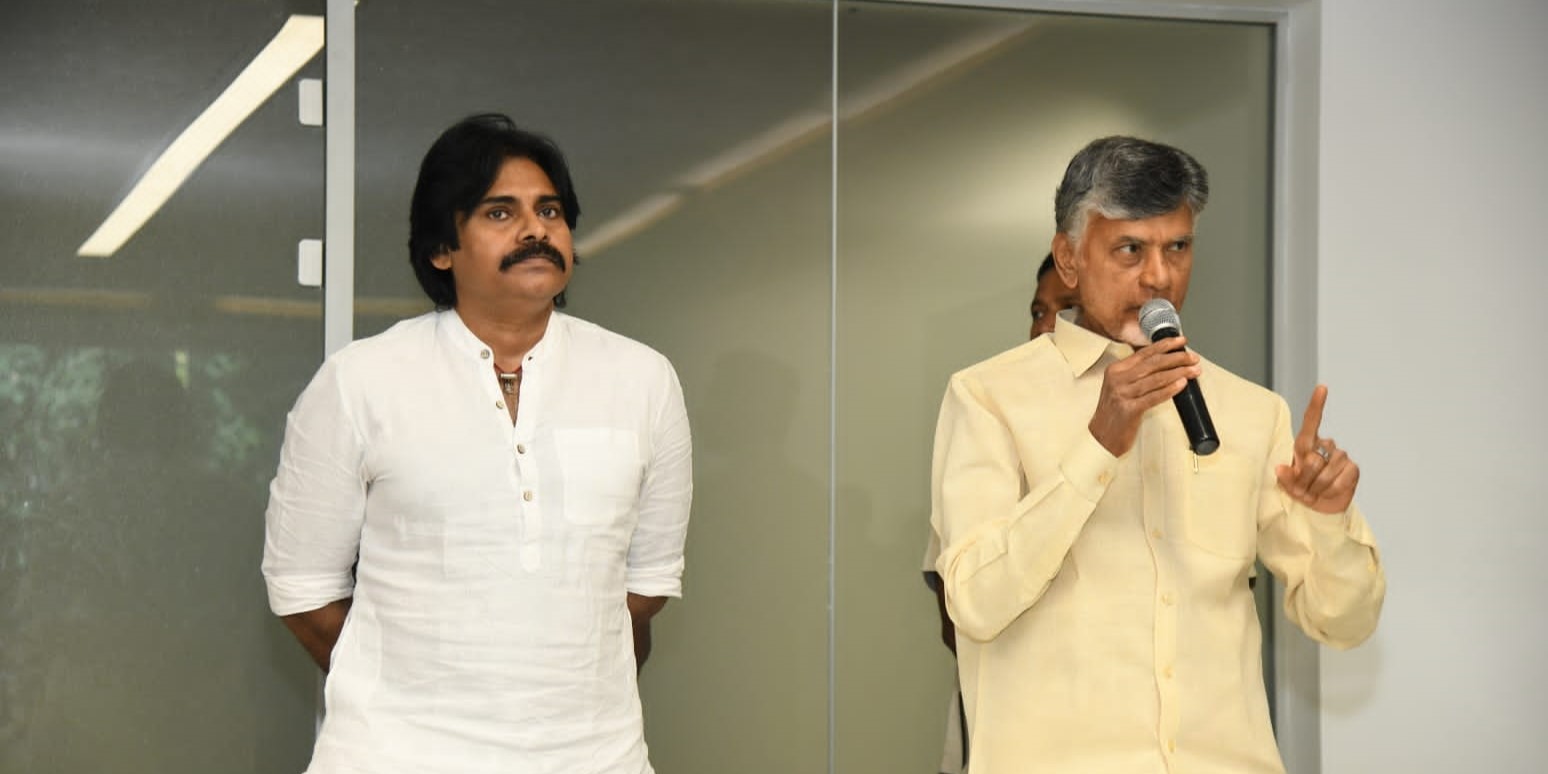
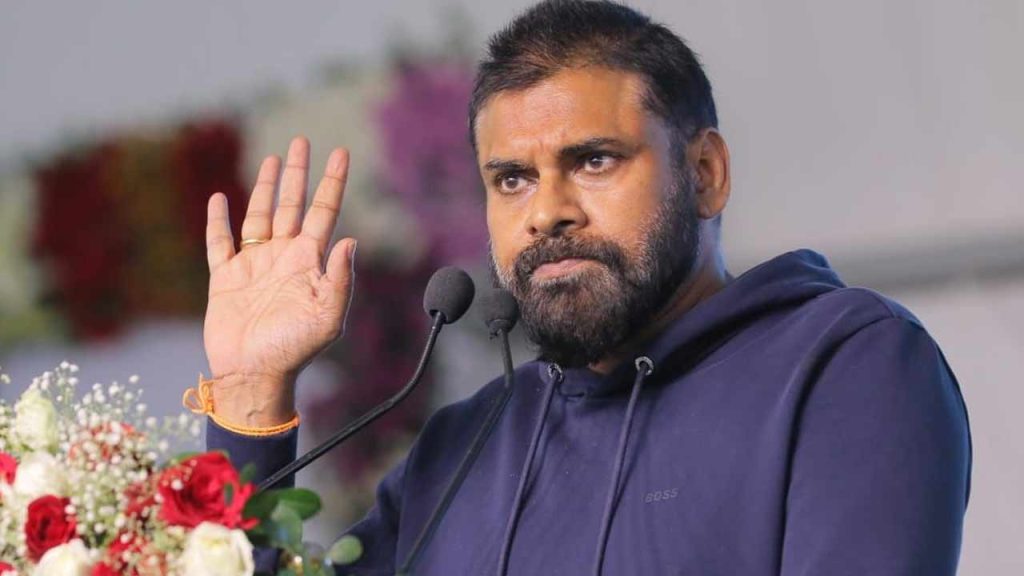
As Deputy Chief Minister overseeing the Panchayat Raj and Rural Development portfolio, Pawan Kalyan is facing questions about the reported provisions and their possible impact on rural communities.
Access to safe drinking water is an essential public service. Any policy that seeks to recover supply and maintenance costs from households needs to be explained clearly, particularly when it could affect low-income families.
The government must clarify whether the proposed provisions are currently in force, when implementation would begin and what safeguards would protect vulnerable households from additional financial pressure.
GO 160 Controversy Could Become a Political Issue
The controversy comes at a politically sensitive time, with local body election activity underway. Water metering, user charges and public contributions towards drinking water projects are issues that directly affect rural voters.
If the reported provisions are implemented without adequate public consultation or clear safeguards, they could become a source of public dissatisfaction. Similarly, if the allegations concerning the blank PDF are substantiated, questions about transparency and accountability could intensify.
The immediate demand is for the Andhra Pradesh government to issue an official clarification on GO 160. People need to know whether rural drinking water charges will increase, whether the reported provisions will be implemented and whether any exemptions will be available to poor households.
Making the complete government order publicly accessible and explaining its financial implications would help address public concerns. Until the government provides clarification, the impact of GO 160 on rural households remains a key question in Andhra Pradesh’s political debate.