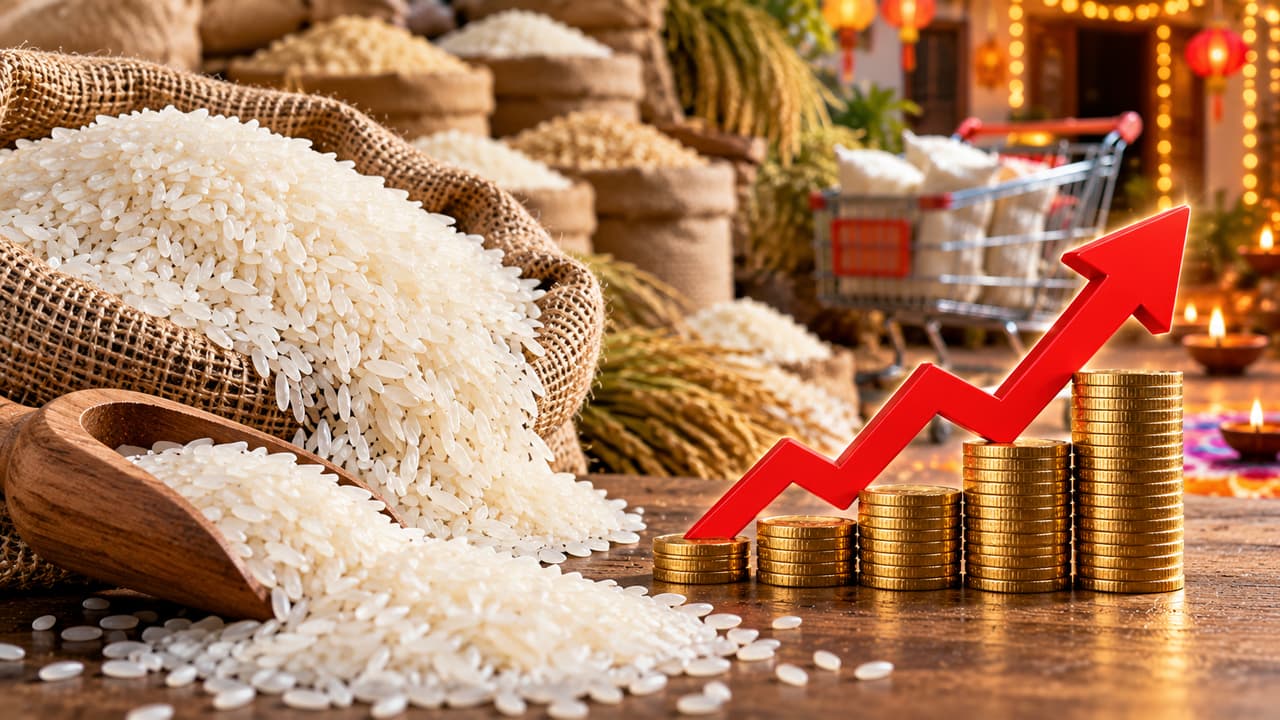
Rice prices in Andhra Pradesh are becoming a major concern for ordinary people. With rice being a staple food in almost every household, the rising cost is putting additional financial pressure on poor and middle-class families. According to claims being circulated in the state, the price of Sona Masoori rice has crossed Rs. 95 per kg in some markets.
Why are rice prices increasing in Andhra Pradesh? Is there a genuine shortage of rice, or is an artificial shortage being created to increase profits? Are rice exports contributing to the rising prices in the domestic market? These questions have triggered a political debate in the state.
Opposition parties have accused the coalition government of failing to control the prices of essential commodities. Meanwhile, allegations relating to rice stocks, illegal transportation, black marketing and exports have raised further concerns. The government needs to examine these claims and provide clarity to the public.
Rising Rice Prices in Andhra Pradesh: What Is Behind the Increase?
The continuous increase in rice prices has become a burden on consumers across Andhra Pradesh. Sona Masoori rice, widely used by households, is reportedly becoming increasingly expensive, with some claims putting its price above Rs. 95 per kg.
For families already struggling with the rising costs of vegetables, cooking gas, fuel and other essential commodities, expensive rice is creating additional financial difficulties.
Consumers want to know whether the price increase is due to lower supply, higher procurement costs, increased demand or market manipulation. A detailed examination of market prices and supply records is necessary to identify the actual reasons.
Rice Market Syndicate Allegations: Is an Artificial Shortage Being Created?
Allegations have emerged that certain individuals with political influence may be affecting the rice trade in Andhra Pradesh. Critics claim that rice stocks meant for local markets are being deliberately withheld, potentially creating an artificial shortage.
When the supply of rice decreases, prices naturally tend to increase. Critics allege that some traders may be taking advantage of this situation to earn higher profits by diverting rice to other states and overseas markets.
However, these claims need to be verified through official stock records, transportation details, export data and business transactions. An independent investigation would help establish whether there is any deliberate manipulation of the rice market.
Allegations Involving Payyavula Keshav’s Relative and TDP MLA Vegulla Jogeswara Rao
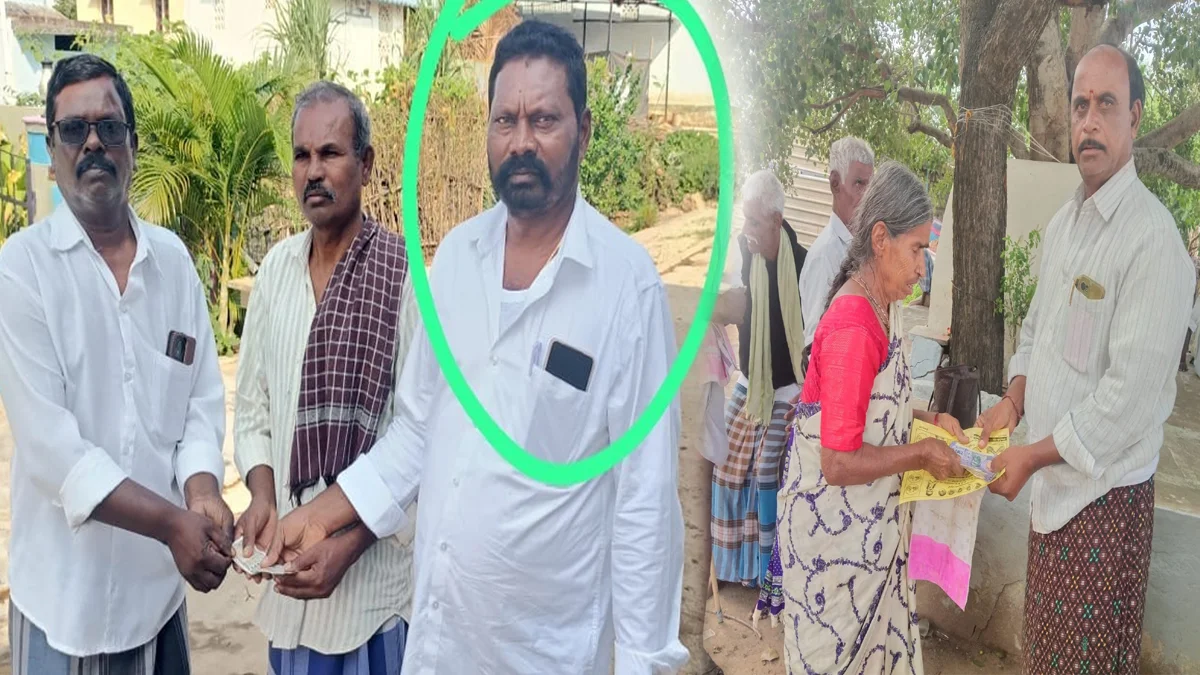
The names of Finance Minister Payyavula Keshav’s relative and Mandapeta TDP MLA Vegulla Jogeswara Rao have also figured in allegations surrounding rice black marketing and business activities.
Critics are demanding transparency regarding their alleged business connections, rice stocks and supply-related activities.
However, the allegations have not been independently established. The individuals concerned should also be given an opportunity to present their explanations.
A fair and impartial investigation is necessary to determine whether these claims have any factual basis or are part of the ongoing political debate.
Commission Allegations Involving Nadendla Manohar and Nara Lokesh
Opposition circles have also raised allegations involving Civil Supplies Minister Nadendla Manohar and Minister Nara Lokesh in connection with the rice trade.
Claims about alleged commission payments and political benefits linked to rice business activities have added another dimension to the controversy.
Who is benefiting from rice exports? Are certain individuals earning commissions from rice transactions? Why are prices continuing to rise despite public concerns?
These are questions being raised by opposition groups and consumers.
However, allegations of commission payments require documentary evidence, financial records and a proper investigation. The ministers concerned should clarify their positions on these claims.
Rising Rice Prices Put Poor and Middle-Class Families Under Pressure
The increase in rice prices is directly affecting ordinary households. Daily wage workers, lower-income families and middle-class consumers are finding it increasingly difficult to manage their monthly household expenses.
Rice is not a luxury product but an essential food item. Even a small increase in its price can significantly affect families that depend on fixed or limited incomes.
At a time when people are already facing higher expenses for fuel, cooking gas, vegetables and other essential goods, the government must take responsibility for ensuring an adequate supply of rice at affordable prices.
Regular inspections of rice stocks, action against illegal hoarding and strict monitoring of market prices are among the measures that need attention.
AP Government Must Respond to Rice Mafia Allegations
The government must provide clear answers to the allegations surrounding rising rice prices and the state’s rice trade.
Key questions that require clarification include:
- What is the actual quantity of rice available in Andhra Pradesh?
- How much rice is being exported from the state?
- Are rice stocks being deliberately withheld to create an artificial shortage?
- Are there any irregularities in rice transportation and distribution?
- Are politically influential individuals involved in illegal rice trading?
- What steps is the government taking to control retail rice prices?
Consumers need affordable and quality rice, not political arguments. The government should conduct an impartial investigation into the allegations, publish relevant stock and export details, and take strict action if any violations are established.
The rising cost of rice has become an important public concern in Andhra Pradesh. Ensuring affordable food for ordinary families must remain a priority. No consumer should have to face additional financial hardship because of illegal market practices or alleged profiteering.