The political atmosphere within Andhra Pradesh’s ruling alliance appears to be heating up as preparations for the Andhra Pradesh local body elections gain momentum. The simultaneous absence of three Jana Sena Party ministers from a crucial emergency cabinet meeting has triggered speculation about growing differences between alliance partners over seat-sharing arrangements.
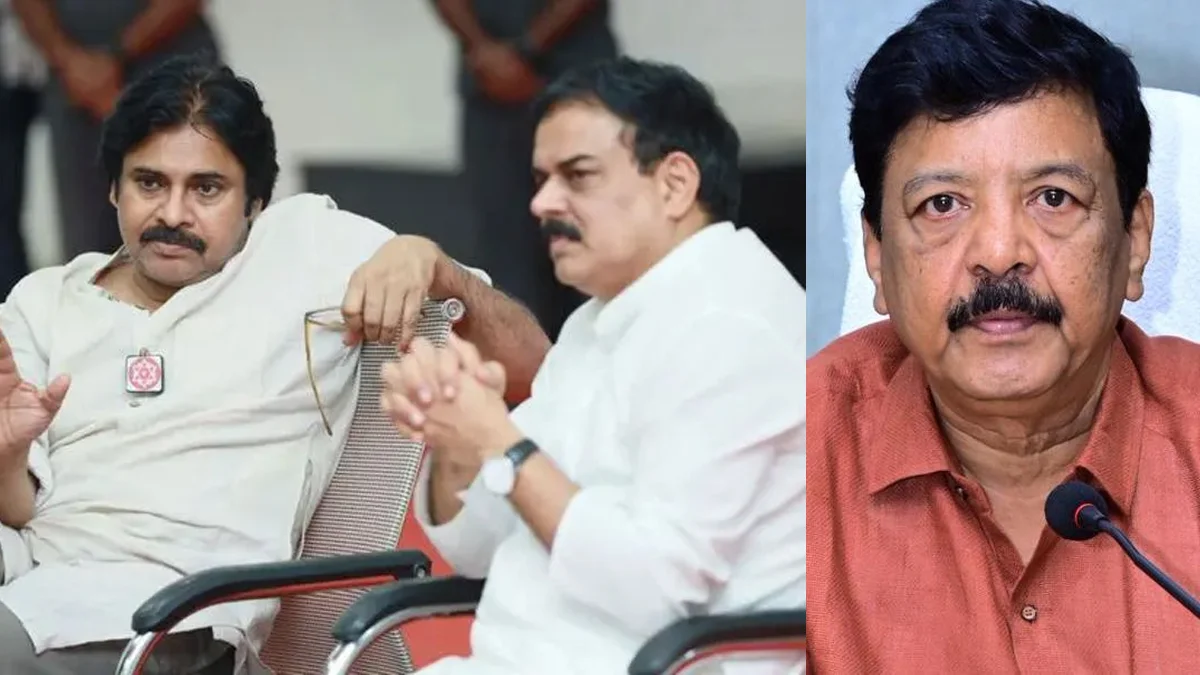
The emergency cabinet meeting, chaired by Chief Minister N. Chandrababu Naidu, reportedly focused on the conduct of local body elections, the recommendations of the Rajiv Ranjan Mishra Commission, and the issue of BC reservations. However, the absence of three ministers representing the Jana Sena Party has drawn considerable political attention.
Although individual reasons and official engagements may have been cited for their absence, political discussions suggest that disagreements over seat allocation could be a key factor behind the development.
Jana Sena Unhappy With TDP’s Seat-Sharing Formula?
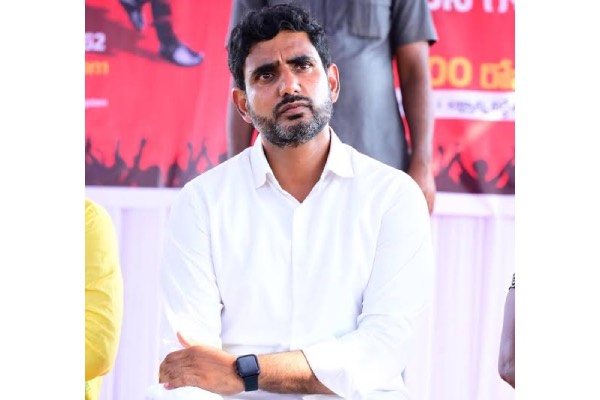
According to political discussions, TDP leader and minister Nara Lokesh has reportedly proposed a formula under which the Jana Sena Party would receive only 15% of the seats in the upcoming local body elections. This reported proposal has triggered speculation about dissatisfaction within the Jana Sena leadership.
The Jana Sena Party is believed to be seeking a stronger share of seats to strengthen its political presence at the local level. If the reported 15% allocation proposal becomes a point of disagreement, it could create fresh challenges for coordination between the Telugu Desam Party (TDP) and Jana Sena.
However, the reported seat-sharing formula and its alleged connection to the ministers’ absence have not been independently established.
Is the Absence of Three Jana Sena Ministers a Sign of a Seat-Sharing Dispute?
The absence of three Jana Sena ministers from the emergency cabinet meeting has led to questions about the state of relations within the ruling alliance. Some political observers interpret the development as a possible sign of growing differences over the distribution of seats in the Andhra Pradesh local body elections.
While the TDP is the alliance’s dominant partner, the Jana Sena Party is also seeking to expand its grassroots political influence. Balancing the interests of both parties will be important as they prepare for the upcoming elections.
The situation has also raised questions about whether the alliance partners have reached a consensus on the seat-sharing arrangement or whether further negotiations are required.
BC Reservations and Local Elections Add to Political Pressure
The issue of BC reservations is another major factor in the preparations for the Andhra Pradesh local body elections. Decisions concerning reservation policies, election schedules, and seat allocation could significantly influence the strategies of the ruling alliance partners.
With the elections approaching, the TDP and Jana Sena leadership will need to address any differences and maintain coordination at the local level. A failure to reach an agreement could complicate candidate selection and campaign planning in several constituencies.
What Lies Ahead for the TDP-Jana Sena Alliance?
The reported absence of three Jana Sena ministers has brought the alleged seat-sharing dispute into the political spotlight. However, it remains unclear whether the development reflects a deliberate political protest or other reasons.
The coming days could be crucial in determining how the TDP and Jana Sena resolve their differences over local body election preparations. The final seat-sharing arrangement, the response of the Jana Sena leadership, and the alliance’s approach to BC reservations are likely to remain key issues in Andhra Pradesh politics.
Whether the reported disagreement develops into a major political confrontation or is resolved through negotiations remains to be seen.