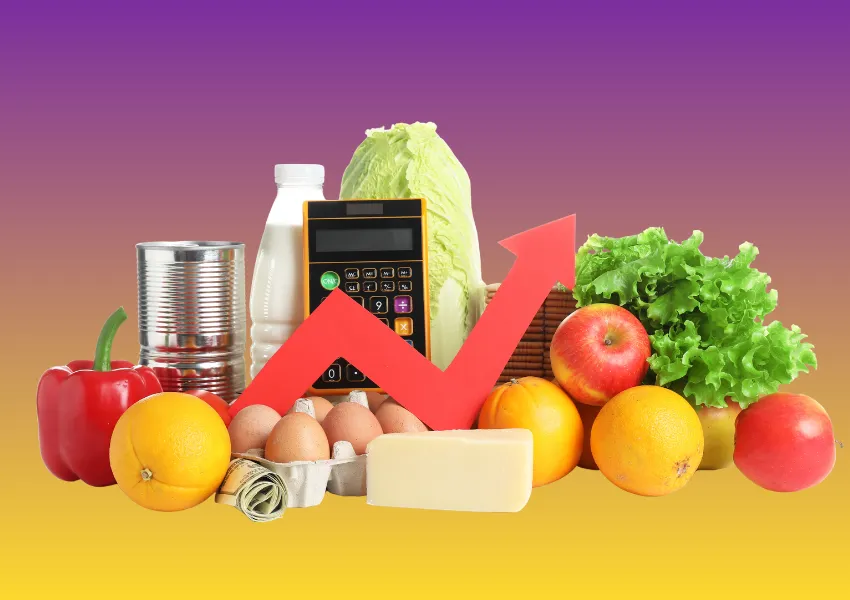
Andhra Pradesh is witnessing growing concerns over rising prices of essential commodities, with middle-class and low-income families struggling to manage their household expenses. Increasing prices of rice, cooking oil and vegetables are putting additional pressure on family budgets. Critics have questioned the Chandrababu Naidu-led government over its efforts to control prices and provide relief to ordinary consumers.
The issue has also triggered a political debate, with critics comparing current market prices with those during the tenure of former Chief Minister YS Jagan Mohan Reddy, including the period affected by the COVID-19 pandemic. They allege that the present government has failed to provide adequate relief from rising living costs.
Rice Prices Cross Rs 2,200 for a 26-Kg Bag
Rice, one of the most important staples in Indian households, has become a major expense for families in Andhra Pradesh. According to the figures cited in the report, a 26-kg bag of quality rice costs more than Rs 2,200.
The reported increase has raised concerns among middle-class households that depend on rice as their primary food source. Families already managing expenses such as rent, education, healthcare and electricity bills are finding it increasingly difficult to accommodate higher grocery costs.
Consumers are concerned that rising rice prices could further reduce the amount of money available for other essential needs.
Cooking Oil and Vegetable Prices Add to Household Expenses
Cooking oil prices are another major concern for consumers. The article cites a price of approximately Rs 195 per litre, adding to the monthly expenses of ordinary families.
Vegetable prices have also reportedly increased, with tomatoes, onions and other vegetables costing between Rs 80 and Rs 100 per kilogram in some markets, according to the figures cited.
These increases are affecting everyday shopping decisions. Families are being forced to reconsider their grocery purchases, reduce quantities or look for cheaper alternatives to stay within their budgets.
For low-income households, even small increases in the prices of frequently purchased food items can create significant financial pressure.
Mee Marts Under Scrutiny Over Subsidised Grocery Prices
The Andhra Pradesh Civil Supplies Department has faced criticism over its proposed Mee Marts, which are intended to make essential commodities available at affordable prices.
Critics allege that announcements about subsidised groceries and public outreach have not translated into sufficient benefits for consumers on the ground. They have called for greater clarity on the availability of these stores, the prices of commodities offered and the extent of savings available to ordinary households.
The effectiveness of Mee Marts will ultimately depend on whether consumers can access essential groceries at prices lower than those available in regular retail markets.
Questions Over Government Measures to Control Prices
The rising cost of essential commodities has also raised questions about market monitoring and price-control measures in Andhra Pradesh.
Critics argue that the government should strengthen market inspections, monitor the supply of essential goods and take action against hoarding and illegal trading wherever violations are established.
They have also called for effective implementation of measures that can help prevent unnecessary price increases and protect consumers from unfair market practices.
The government faces pressure to demonstrate how its policies are helping households manage the rising cost of living. Clear information about market prices, subsidised supplies and consumer relief measures could help address public concerns.
Middle-Class and Poor Families Face a Growing Cost-of-Living Burden
For middle-class families, rising grocery prices come on top of existing financial commitments, including school fees, healthcare costs, transport and utility bills. Families with limited incomes have even less flexibility to absorb unexpected increases in food expenses.
Public criticism has focused on the gap between promises of economic development and the everyday financial challenges faced by ordinary households. Critics argue that economic growth must also translate into affordable essential goods and tangible benefits for consumers.
They have urged the Andhra Pradesh government to prioritise public welfare, improve the distribution of essential commodities and ensure that announced subsidy schemes deliver measurable benefits.
Conclusion
The reported rise in rice, cooking oil and vegetable prices has intensified concerns about the cost of living in Andhra Pradesh. As household expenses increase, consumers are looking for practical relief through affordable groceries, effective market monitoring and accessible subsidised supplies.
The key question is whether the state government can introduce and implement effective measures to ease the pressure on middle-class and low-income families. For ordinary consumers, controlling essential commodity prices remains an important part of making daily life more affordable.