Tobacco Farmers on the Streets: Coalition Government Accused of Failing to Protect Their Livelihoods
Massive Rally From Mini Stadium to Collectorate Highlights Growing Farmer Anger
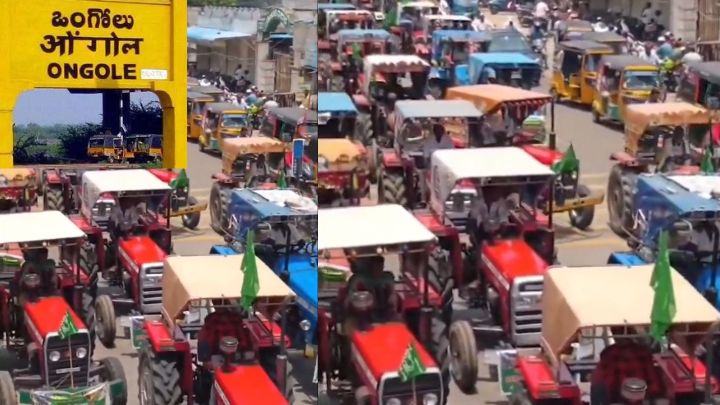
Hundreds of tobacco farmers took to the streets of Ongole in a massive show of protest against what they describe as the coalition government’s complete failure to protect their interests. The rally, which began at the Mini Stadium and marched towards the Collectorate, drew significant public attention as farmers arrived in hundreds of tractors and raised slogans demanding justice.
The large-scale mobilization reflected the growing frustration among tobacco cultivators who say they have been pushed into a severe financial crisis due to the government’s inaction. The protest transformed the city into a center of agrarian unrest, with farmers warning that their patience is running out.
Farmers Demand Immediate Government Intervention
At the heart of the agitation is the demand for urgent government support. Farmers are insisting that the government purchase the unsold tobacco stock lying with growers and prevent further financial losses.
They have also demanded a special relief package of ₹1,000 crore to help farmers recover from the ongoing crisis. According to farmer leaders, without immediate intervention, thousands of tobacco-growing families could be pushed deeper into debt.
The protesters argue that while the coalition government continues to make claims about supporting agriculture, tobacco farmers have been left to fend for themselves during one of the most difficult periods in recent years.
Price Collapse Leaves Farmers in Deep Distress
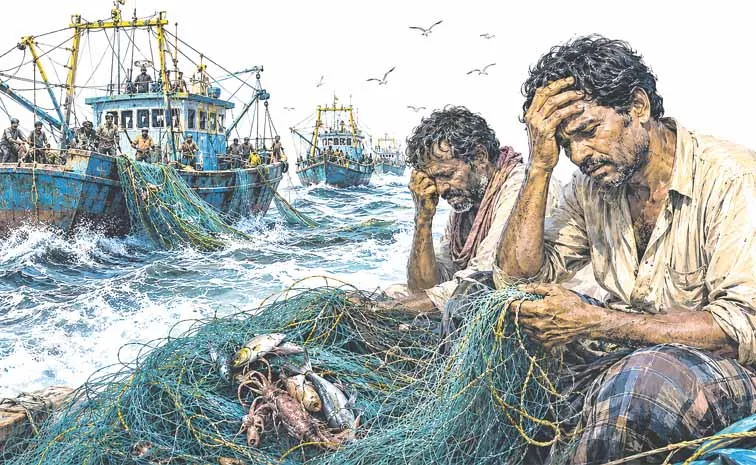
Despite achieving production this season, farmers say they are unable to recover even their cultivation costs because of the sharp decline in tobacco prices. They allege that private buyers are taking advantage of the situation by purchasing tobacco at unreasonably low rates.
Cultivators point out that rising expenses on labor, transportation, fertilizers, and other inputs have made farming increasingly expensive. However, the prices currently being offered in the market are far below what is needed to sustain farming operations.
As a result, many tobacco farmers claim they are staring at heavy losses despite months of hard work and investment.
Repeated Appeals Ignored, Say Farmers
One of the strongest grievances expressed during the protest was that repeated representations to ministers, public representatives, and government officials have yielded no results.
Farmers say they have been raising concerns about falling prices and unsold stocks for months, yet the coalition government has failed to announce any meaningful measures. According to them, the protest became necessary only because every other attempt to secure government attention was ignored.
The agitation has fueled criticism that the government responds quickly to publicity-driven programs but remains indifferent when farmers seek solutions to livelihood issues.
Coalition Government Faces Questions Over Agricultural Commitments
The ongoing tobacco crisis has raised serious questions about the coalition government’s commitment to protecting farmers. Opposition voices argue that despite being in power for two years, the government has failed to establish mechanisms that ensure remunerative prices for tobacco growers.
Critics contend that if timely intervention had been undertaken, the current crisis could have been avoided. Instead, thousands of farmers are now forced to protest on the roads demanding basic support and fair compensation for their produce.
The situation has become particularly embarrassing for the government in Prakasam district, where tobacco cultivation plays a major role in the rural economy and supports the livelihoods of numerous farming families.
Farmers Warn of Intensified Agitations
Farmer organizations have made it clear that the Ongole protest is only the beginning if the government continues to remain silent. They have warned of intensified agitations across the tobacco-growing regions unless their demands are addressed immediately.
The protesters insist that they are not asking for special favors but for fair prices and government support during a period of market distress. Until concrete action is taken, they say the movement will continue.
As tobacco farmers struggle to survive amid falling prices and mounting debts, the growing unrest serves as a reminder that promises of farmer welfare mean little unless they are backed by timely action. For many cultivators in Andhra Pradesh, the coalition government’s response so far has been marked more by silence than solutions.