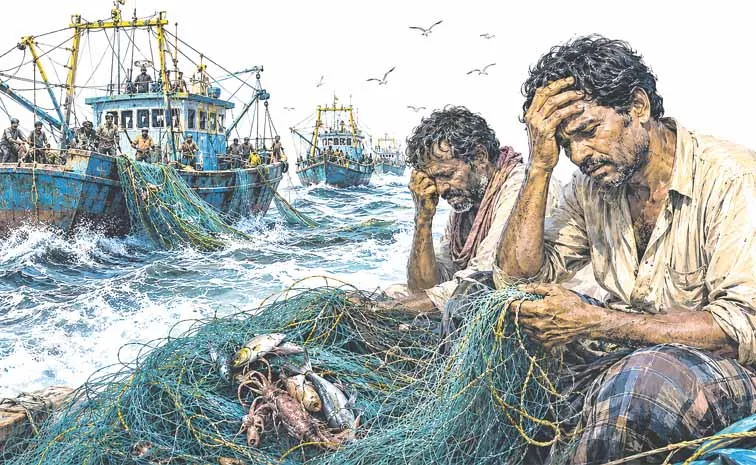
The aquaculture sector in Andhra Pradesh is already grappling with rising production costs, uncertainty in export markets, and depressed shrimp prices. Amid these challenges, aqua farmers have been dealt another blow with a sharp increase in shrimp feed prices.
Several feed manufacturers have reportedly raised prices by ₹10,000 to ₹12,000 per tonne, triggering widespread concern among farmers. Many in the industry argue that the decision was taken despite ongoing discussions and without adequately considering the financial difficulties already faced by producers.
For thousands of shrimp farmers struggling to remain viable, the latest price hike has intensified fears of mounting losses and growing debt.
Farmers Reject Sharp Feed Price Increase
Feed is the single largest expense in shrimp farming, accounting for nearly 60 to 70 percent of total production costs. As a result, even a modest increase can significantly affect farm profitability.
Farmer representatives have stated that they were willing to consider a limited increase of up to ₹6,000 per tonne. However, they allege that feed companies went ahead with a much steeper hike despite objections raised during consultations.
This has led to growing resentment among farmers, who believe their concerns were ignored in favor of corporate interests.
Allegations of Coordinated Action by Feed Companies
The manner in which feed prices were increased has also raised questions within the industry.
Reports suggest that a few major feed manufacturers first announced price hikes, followed by similar increases from other companies. This sequence of events has fueled allegations that firms may have acted in a coordinated manner rather than competing independently.
Critics argue that the timing and scale of the increase appear disconnected from the immediate concerns of farmers. Allegations have also emerged regarding the influence of powerful corporate groups and politically connected business interests, adding another layer of controversy to the issue.
Rising Costs Deepen Financial Burden on Farmers
The price hike comes at a time when shrimp farmers are already facing severe economic pressure. Market prices for shrimp remain low, leaving many producers with shrinking profit margins or, in some cases, losses.
With feed consumption running into several tonnes during a single crop cycle, the revised prices are expected to substantially increase production expenses. Small and medium-scale farmers are likely to be hit the hardest, as many are already burdened by loans, electricity charges, labor costs, and other operational expenses.
Industry observers warn that continued cost escalation could push many farmers into deeper financial distress.
Government Accused of Remaining Silent
The state government’s response has also come under criticism. Farmer groups and representatives from the aquaculture sector have repeatedly urged authorities to intervene, but so far no significant action has been announced.
This perceived lack of response has sparked frustration among farmers, who believe the government has failed to protect their interests during a critical period.
Questions are increasingly being raised about whether political considerations or corporate pressure have influenced the government’s reluctance to step in and address the issue.
Concerns Over the Role of Aqua Sector Institutions
Attention has also turned toward organizations and bodies responsible for policy coordination and regulation within the aquaculture sector.
Critics argue that these institutions have failed to effectively represent the interests of farmers. Despite the absence of a broad consensus on feed pricing, companies proceeded with the increase, leading many farmers to question whether their concerns are being adequately heard.
The controversy has strengthened perceptions that corporate priorities are being placed ahead of the welfare of producers who sustain the sector.
Farmer Anger Grows as Protest Threat Looms
Discontent among aqua farmers continues to grow, with many warning that protests could spread across the state if their concerns remain unaddressed.
Farmer organizations are demanding immediate government intervention and a comprehensive review of the feed price hike. They argue that major decisions affecting the industry should be made transparently and only after meaningful consultation with all stakeholders.
Many believe that restoring trust will require both accountability and a clear commitment to protecting farmer livelihoods.
Debate Expands Beyond Feed Prices
What began as a dispute over feed costs has now evolved into a broader debate about the balance of power within Andhra Pradesh’s aquaculture sector.
Farmers argue that the issue is no longer just about pricing but about whether corporate interests are exerting excessive influence over decisions that directly affect producer livelihoods. They warn that if corrective measures are not taken, the crisis facing the aqua sector could deepen further.
The central question now is whether the government will act decisively to support struggling farmers or continue to remain on the sidelines as concerns over corporate influence and farmer welfare intensify.